
Bringing Historic Markers to Life
Short cinematic films that bring the historic markers of Columbus, Georgia to life — each marker paired with a dramatized look at the moment it commemorates, grounded in sourced history.
A personal project to bring the historic markers we walk past every day to life — read the story.
Tap a pin to open its marker.
The Markers

Ancient Fisheries
Phenix City, Alabama
Long before the mills and the steamboats, the shoals of the Chattahoochee fed a people — until they were driven west.
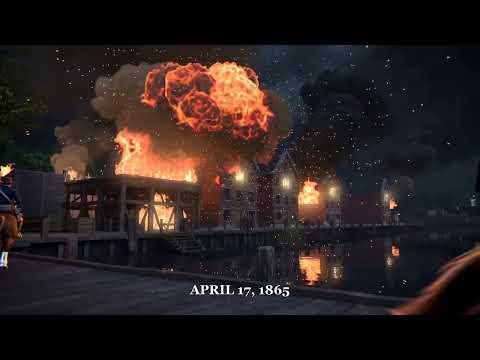
Columbus Steamboat Wharf
Columbus, Georgia
For 111 years the river was the city's front door — until war set an ironclad adrift and burning, and the steamboats slowly went quiet.
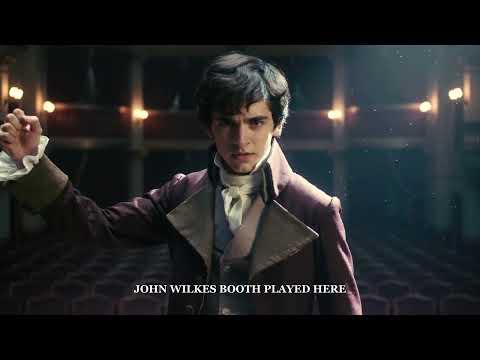
First Black Public School
Columbus, Georgia
John Wilkes Booth once performed in the Columbus theater that, in 1872, became the city's first public school for Black children.
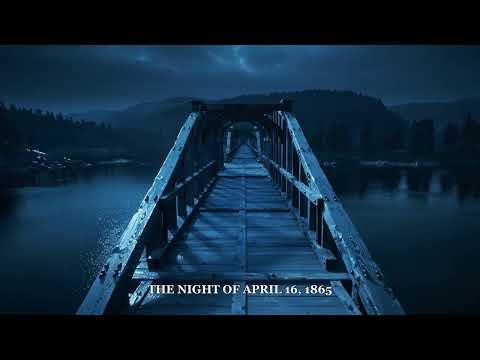
Freedom Day
Columbus, Georgia
April 16, 1865 — the day the enslaved people of Columbus, Georgia woke as slaves and went to sleep free.
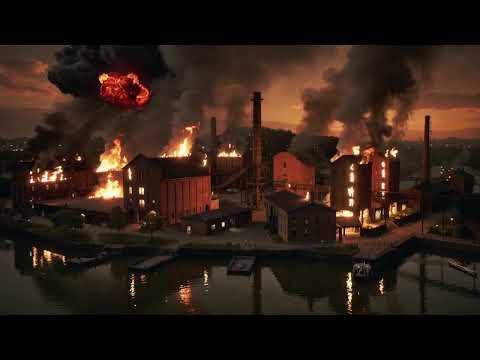
George Parker Swift I
Columbus, Georgia
A young man from Massachusetts, a cotton empire on the Chattahoochee, a city burned in the Civil War — and built again.
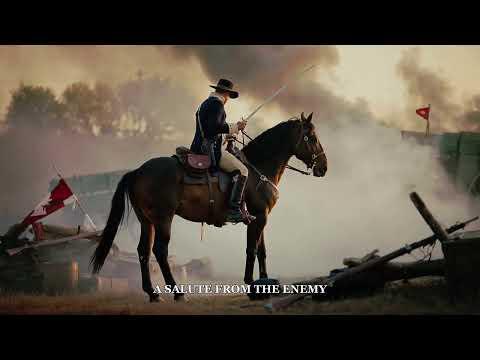
Mirabeau Buonaparte Lamar
Columbus, Georgia
He founded a Columbus newspaper, rode west into a revolution, and became the second president of the Republic of Texas.
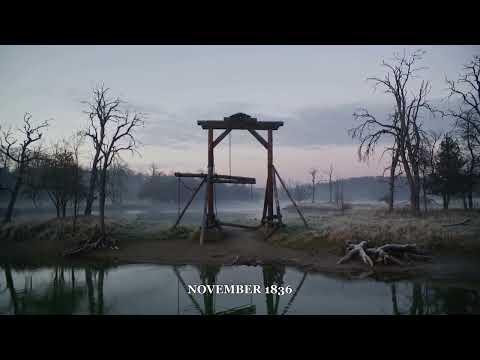
Six Indians Hanged
Phenix City, Alabama
Near this spot in 1836, six Creek and Yuchi men were hanged — the end of a last, doomed uprising on the Chattahoochee.
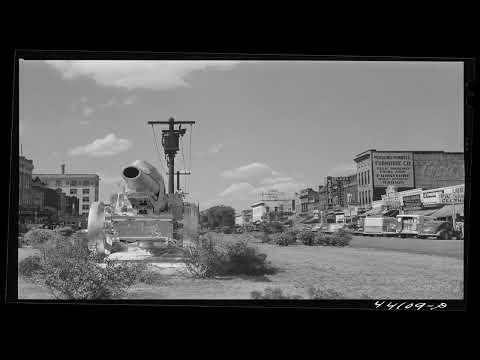
Synovus
Columbus, Georgia
From a mill worker's wages in a Columbus safe to the machines that help move the world's money — the story behind a hometown bank.
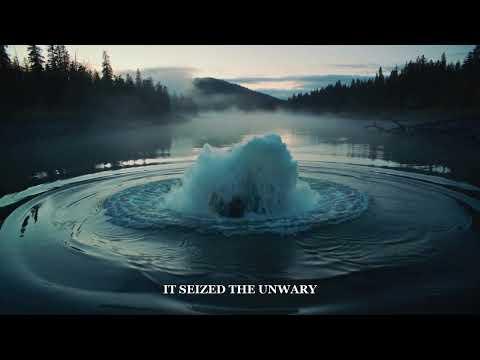
The Tie-Snake
Phenix City, Alabama
The Creek told of a serpent that dragged people beneath the Chattahoochee. The folktales recorded alongside it would echo, years later, in the Uncle Remus stories.